
Protein, Fat, and Carbohydrates: How They Work Together
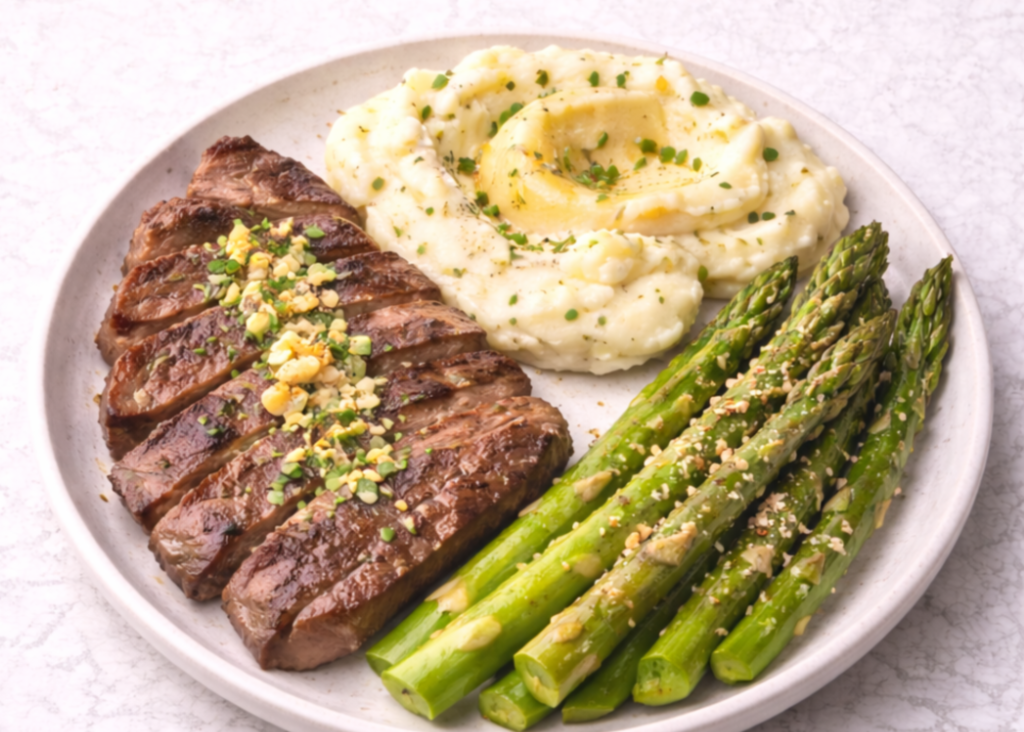
If you’ve been following along, you already know two important things:
- Balanced blood sugar isn’t about perfection or strict rules
- It’s about building meals in a way that supports steady energy, fewer crashes, and better overall health
In this post, we’re going to zoom in on the three macronutrients—protein, fat, and carbohydrates—and look at how they actually work together in the body. Not as “good” vs “bad.” But as a team.
Understanding this relationship is one of the most empowering things you can do for your blood sugar—because once it clicks, meal choices become simpler and more intuitive.
The Big Picture: Blood Sugar Is About Balance, Not Avoidance
A common misconception is that balanced blood sugar eating means avoiding carbohydrates altogether. But blood sugar balance isn’t created by eliminating one macronutrient—it’s created by combining them wisely.
Each macronutrient plays a different role in digestion, satiety, hormones, and blood sugar response. When one is missing, blood sugar is more likely to spike and crash. When they’re combined, the body responds more calmly and predictably.
Let’s break that down.
Protein: The Stabilizer
Protein is often the anchor of a blood-sugar-friendly meal.
What protein does:
- Slows digestion
- Reduces how quickly glucose enters the bloodstream
- Supports muscle repair, hormones, and immune health
- Increases satiety (helps you stay full longer)
When you eat carbohydrates without protein, blood sugar tends to rise quickly. When protein is present, that rise is slower and more controlled.
Examples of protein sources:
- Eggs
- Meat, poultry, and fish
- Greek yogurt or cottage cheese
- Beans and lentils (also contain carbs)
Think of protein as the foundation—it gives your meal structure.
Fat: The Brake Pedal
Dietary fat has been misunderstood for decades, especially in blood sugar conversations. But fat is not the enemy—it’s a powerful regulator.
What fat does:
- Slows stomach emptying
- Delays carbohydrate absorption
- Supports hormones and brain health
- Improves satisfaction and meal enjoyment
Fat acts like a brake pedal for blood sugar. When carbs are eaten alongside fat, glucose enters the bloodstream more gradually instead of all at once.
Examples of healthy fats:
- Olive oil
- Butter or ghee
- Avocado
- Nuts and seeds
- Full-fat dairy
Without fat, meals often feel unsatisfying—and blood sugar swings are more likely.
Carbohydrates: The Energy Source
Carbohydrates are the body’s preferred fuel source, especially for the brain. They are not inherently problematic—but they are context-dependent.
What carbohydrates do:
- Provide quick energy
- Raise blood glucose
- Support thyroid and hormone function
The issue isn’t that carbs raise blood sugar—it’s how fast and how high they raise it.
Carbs eaten alone digest quickly. Carbs, especially of good quality, eaten with protein and fat digest more slowly and steadily.
Examples of carbohydrates:
- Fruits
- Vegetables
- Grains and rice
- Potatoes and squash
- Beans and lentils
Balanced blood sugar eating doesn’t mean cutting carbs—it means pairing them.
Why Pairing Matters More Than Counting
Instead of tracking grams or obsessing over numbers, a simpler and more sustainable approach is asking:
“Does this meal include protein, fat, and carbohydrates?”
When all three are present:
- Blood sugar rises more gradually
- Insulin response is smoother
- Energy lasts longer
- Cravings decrease
This is why a piece of toast on its own feels different than toast with eggs and butter. Or why fruit alone hits differently than fruit with yogurt or nuts.
What Happens When One Is Missing
- Carbs without protein or fat: quick spike, followed by a crash
- Protein without carbs: may feel energizing short-term but unsatisfying long-term
- Fat without protein or carbs: not enough fuel on its own
Balance doesn’t require perfection at every meal—but consistently combining these nutrients makes a noticeable difference.
A Simple Way to Think About Meals
If you’re overwhelmed by nutrition advice, return to this:
- Protein: What’s anchoring the meal?
- Fat: What’s slowing digestion and adding satisfaction?
- Carbs: What’s providing energy?
This framework works whether you eat low-carb, moderate-carb, or higher-carb—and it adapts to real life.
Bringing It All Together
Balanced blood sugar eating isn’t about restriction—it’s about supporting your body.
Protein, fat, and carbohydrates each have a role. When they work together, meals feel better, energy feels steadier, and food decisions become less stressful.
In the next post, we’ll zoom in on carbohydrates specifically—and why the type of carb you choose can make pairing even more effective for blood sugar balance.
For now, focus on pairing—not perfection.