
Foods That Spike Blood Sugar (Even If They’re “Healthy”)
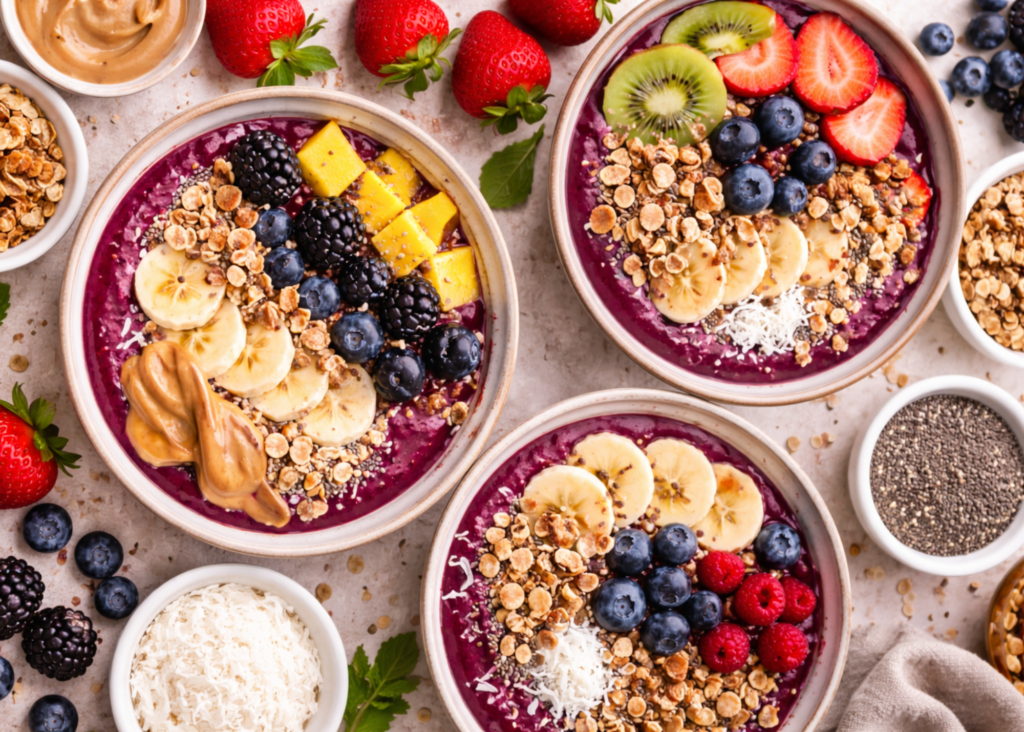
Many foods that are considered healthy can still be high in sugar or carbohydrates.
That doesn’t mean they’re “bad” — but it does mean they may need to be eaten in moderation, especially if you’re working toward balanced blood sugar.
Balanced blood sugar isn’t about cutting out nutritious foods. It’s about understanding how they affect your body and learning how to pair them so they work with you instead of against you.
Let’s go through some common foods that surprise people.
Fruit
There’s no doubt that fruit has real health benefits. It contains fiber, antioxidants, vitamins, and minerals.
But fruit is also naturally high in sugar, which means large portions can spike blood sugar for some people.
That doesn’t mean you shouldn’t eat fruit — it just means it often works best when eaten in moderation and paired with protein and fat to reduce the impact.
Some fruits are much higher in sugar than others. If you want to eat fruit more frequently or in larger portions, it can help to choose options that are more blood-sugar friendly.
Generally more balanced options:
- Berries (strawberries, blueberries, raspberries, blackberries)
Fruits that can spike blood sugar in larger amounts:
- Bananas
- Pineapple
- Mango
- Grapes
- Dates
Dates are a good example. They’re used in many “health foods” as a natural sweetener — and the reason is simple: they contain a lot of sugar.
They’re still a whole food and can absolutely be enjoyed in moderation, but it helps to be mindful of their sugar content when thinking about your overall intake for the day.
Better ways to include fruit:
- Banana with peanut butter
- Banana alongside eggs and meat at breakfast
- Berries with yogurt or cottage cheese
- Pineapple served with grilled chicken, grilled vegetables, and avocado
Pairing fruit this way slows digestion and helps prevent blood sugar swings.
If you want to go deeper on how to build meals like this, read:
A Simple Way to Build Meals for Balanced Blood Sugar
Protein, Fat, and Carbohydrates: How They Work Together
Grains
Whole grains can absolutely be part of a healthy diet. Many contain fiber and nutrients.
But they are still high in carbohydrates, which means they may need to be eaten in moderation when you’re focusing on balanced blood sugar.
Examples include:
- Rice
- Bread
- Oatmeal
- Quinoa
- Pasta
These foods digest quickly for some people, especially when eaten alone.
Pairing grains helps:
- Oatmeal with eggs
- Bread with chicken or meat
- Rice with steak or ground beef
- Quinoa paired with salmon and vegetables
Everyone responds differently to carbohydrates. One person may tolerate oatmeal well, while another feels tired and hungry an hour later.
This is why it’s helpful to:
- Pay attention to how you feel after eating
- Notice hunger patterns
- If you test blood sugar, watch how your numbers respond
For a deeper explanation of how carbs affect the body, see:
Why the Type of Carbohydrate Matters for Blood Sugar
Drinking Sugar
One of the fastest ways to spike blood sugar is by drinking it.
Examples include:
- Orange juice
- Apple juice
- Coconut water
- Sweet tea
- Smoothies made mostly of fruit
Juice in particular is very concentrated sugar without much fiber to slow absorption.
Even though these drinks can contain nutrients, if you’re sensitive to blood sugar swings it’s often better to eat the fruit whole so the fiber stays intact.
Smoothies can be made more blood-sugar friendly if they include:
- Protein (Greek yogurt, protein powder, collagen + eggs, etc.)
- Fat (nut butter, seeds, avocado)
- Fiber (berries, greens, chia)
“Healthy” Sweeteners
Natural sweeteners are often marketed as healthier than white sugar.
And while they may contain small amounts of nutrients, they still contain a lot of sugar and can raise blood sugar quickly when used in large amounts.
Examples include:
- Honey
- Maple syrup
- Agave
- Coconut sugar
- Date syrup
- Molasses
These can absolutely be part of a balanced diet, but moderation matters.
A food being “natural” doesn’t mean it has no effect on blood sugar.
Other Foods That Can Surprise People
Here are a few more foods that many people don’t realize can spike blood sugar:
Dried fruit
Because the water is removed, the sugar becomes very concentrated.
It’s easy to eat several servings without realizing it.
Granola and “healthy” cereal
Often marketed as health foods but can be very high in sugar and refined carbs.
Gluten-free baked goods
These frequently use starches like rice flour, tapioca, or potato starch that digest quickly.
Snack bars
Even many “clean ingredient” bars rely heavily on dates, honey, or syrups.
Flavored yogurt
Even ones labeled “low fat” or “natural” can contain a lot of added sugar.
The Goal Isn’t Perfection
The goal isn’t to eliminate these foods.
It’s to understand how they affect you and learn how to:
- Eat them in appropriate portions
- Pair them with protein and fat
- Notice how your body responds
Balanced blood sugar is not about restriction — it’s about building meals that keep you full, steady, and energized.
If you want practical examples of how that looks in real life, these posts help: