
What to Eat When You’re Craving Sugar
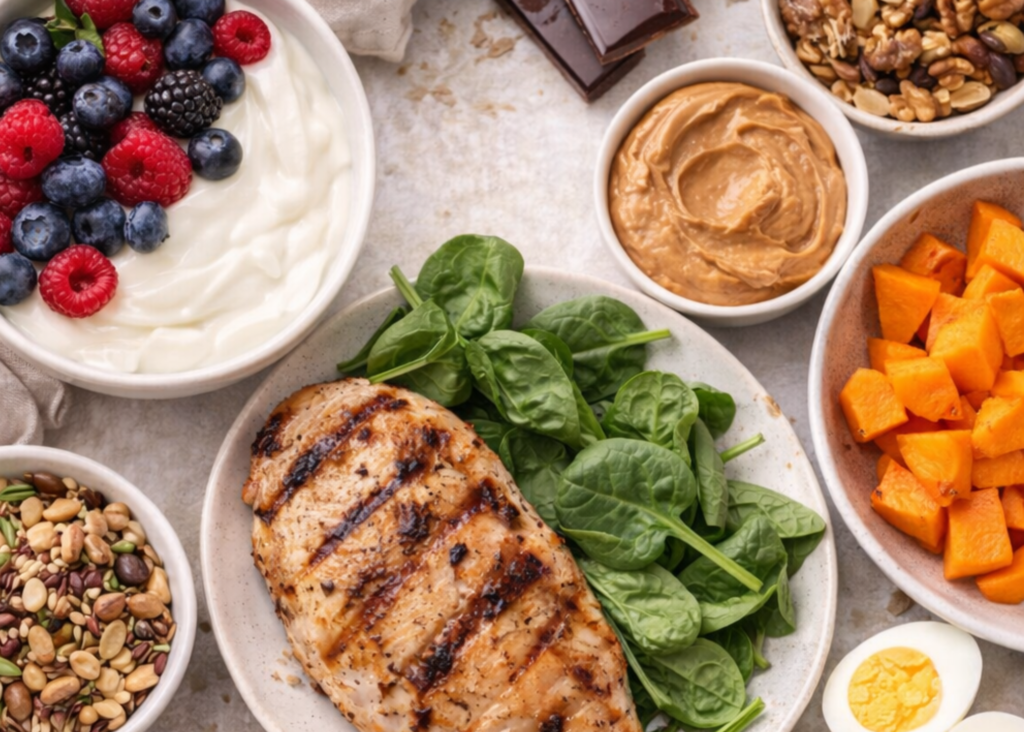
If you’re craving sugar, it’s easy to assume something is “wrong” — that you lack willpower, are addicted, or just need to stop eating sweets.
But most sugar cravings aren’t a discipline problem.
They’re information.
Cravings are your body’s way of communicating a need — for energy, nutrients, rest, hydration, or stability. Understanding why you’re craving sugar is far more helpful than simply trying to resist it.
Before jumping straight to food swaps, it helps to get to the root of the craving.
Step 1: Identify Why You’re Craving Sugar
Not all sugar cravings mean the same thing. The first step is figuring out which situation you’re actually in. Some of the most typical suspects are detailed below.
You’re Under-Eating or Need More Energy
Common signs:
- Strong cravings mid-afternoon or late at night
- Feeling shaky, lightheaded, or ravenous
- Cravings ease after a full meal
What’s really happening:
Sugar is the fastest form of energy. If your meals aren’t providing enough total calories — or enough carbohydrates — your body may start asking for quick fuel.
This often happens when:
- Meals are too small
- Meals are very low-carb for your current needs
- Protein and fat are present, but overall energy intake is too low
What to eat instead of straight sugar:
Focus on balanced, calorie-adequate foods, not “diet snacks.”
Examples:
- Greek yogurt or cottage cheese with fruit
- Eggs with potatoes, squash, or fruit
- Meat paired with fruit
- Rice or sourdough eaten with protein and fat
Sometimes the solution isn’t less sugar — it’s more food.
You’re Tired or Sleep-Deprived
Common signs:
- Craving sugar first thing in the morning
- Wanting sweets to “push through” the day
- Strong cravings after a poor night of sleep
What’s really happening:
Lack of sleep increases cortisol, worsens insulin sensitivity, and increases appetite for quick carbohydrates. Sugar cravings are often your body’s attempt to compensate for exhaustion.
Important truth:
Food alone can’t fix sleep deprivation.
What helps most in the moment:
- Hydration
- A protein-forward breakfast
- Gentle movement and daylight exposure
Supportive foods (not a cure):
- Eggs
- Protein smoothies
- Bone broth
- Balanced meals earlier in the day
If you’re exhausted, sugar cravings are a symptom, not the root problem.
You’re Dehydrated
Common signs:
- Craving something sweet but not specific
- Dry mouth or low energy
- Cravings improve after drinking fluids
What’s really happening:
Dehydration can feel like hunger or sugar cravings.
What to try first:
- Water
- Water with minerals
- Salted water or bone broth
Then reassess how you feel before reaching for food.
This is a simple step that often reduces cravings quickly.
You’re Used to Sugar (Habit or Dependence)
Common signs:
- Craving sugar at the same time every day
- Wanting sweets even when physically full
- Cravings tied to routine (dessert after dinner, sweet coffee, etc.)
What’s really happening:
This is often more habit-based than hunger-based. Your brain expects sugar at certain times.
Helpful options (no judgment):
Option A: Gentle reduction
- Pair sweets with meals
- Reduce frequency instead of aiming for perfection
Option B: A short sugar break
- 1–2 weeks without obvious sweets
- Focus on protein, fat, and carbohydrates from whole foods
- Expect cravings to peak — and then pass
Planning ahead makes this much easier, and grocery shopping for balanced blood sugar can help you keep supportive foods on hand.
A sugar break is a tool, not a requirement. It’s helpful for some, unnecessary for others.
Step 2: What to Eat If You Still Want Something Sweet
Even after addressing sleep, hydration, and overall nourishment, you may still want something sweet — and that’s okay.
The goal isn’t to ignore cravings, but to respond in a way that supports stable blood sugar.
If you want specific snack ideas that support steadier energy, this list of balanced blood sugar snacks shares simple, real-food options.
Nutrient-Dense Sweet Options
Protein + natural carbohydrates:
- Cottage cheese with berries
- Greek yogurt with fruit
- Eggs with fruit
- Meat paired with fruit
Fat-forward, sweet-adjacent options:
- Nut butter with apple
- Dark chocolate with nuts
- Chia pudding
- Yogurt with cinnamon
Warm, grounding options:
- Bone broth
- Herbal tea
- Warm milk (if tolerated)
These foods don’t just “replace” sugar — they help stabilize blood sugar so cravings don’t intensify later.
Step 3: The Bigger Picture
Sugar cravings aren’t something to fight — they’re something to understand.
When you consistently:
- Eat enough food
- Build balanced meals
- Stay hydrated
- Prioritize sleep
Cravings often soften on their own.
Balanced blood sugar isn’t about restriction. It’s about meeting your body’s needs so it doesn’t have to shout for quick fixes.
Final Thought
If you find yourself craving sugar often, try asking:
What is my body asking for right now?
Sometimes the answer is food.
Sometimes it’s rest.
Sometimes it’s hydration.
And sometimes it’s okay to enjoy something sweet — intentionally and without guilt.