
Cauliflower Pizza Test on My Blood Sugar
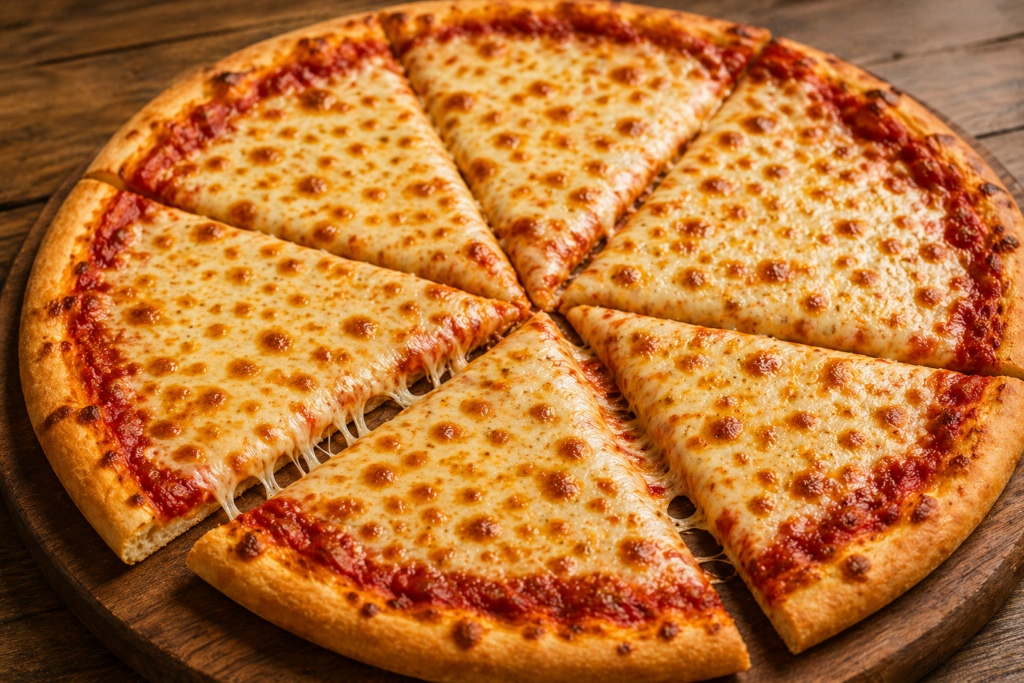
Cauliflower pizza is often seen as the “better” option—especially if you’re trying to support stable blood sugar. So I decided to test cauliflower pizza vs. regular pizza on my blood sugar.
I wore my CGM and ate pizza from the same restaurant two nights in a row:
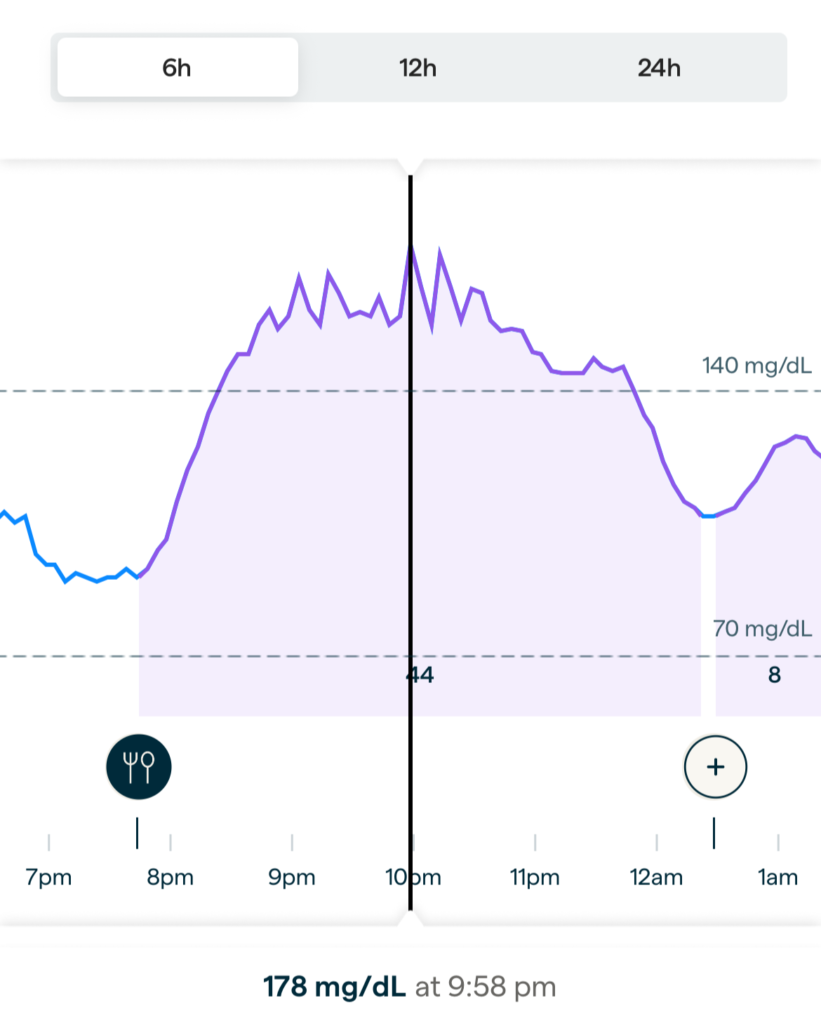
- Night 1: Regular cheese pizza (4 slices)
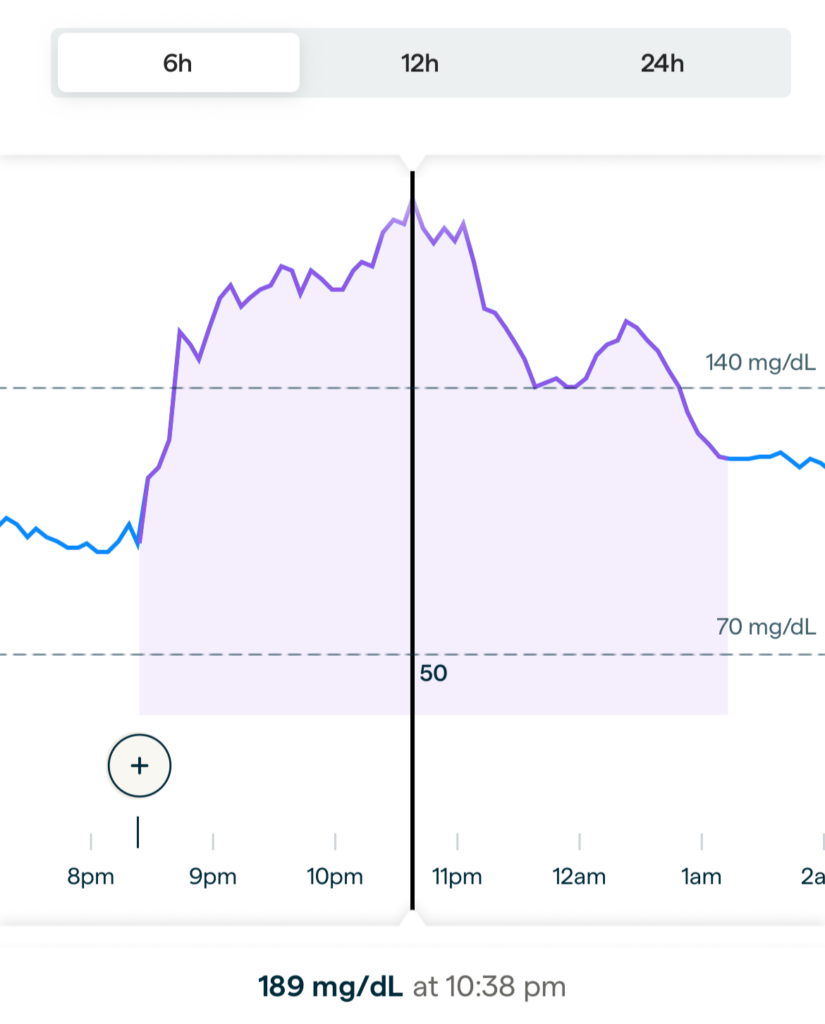
- Night 2: Cauliflower crust cheese pizza (4 slices)
Same portion, similar timing, similar setup.
And the results?
They both spiked my blood sugar—in a very similar way. In fact, the cauliflower pizza was actually slightly worse.
What I Tested
To keep things as consistent as possible while testing cauliflower pizza vs regular pizza on my blood sugar:
- I ate both meals at dinner
- I had similar meals earlier in the day
- I kept the portion the same (4 slices each night)
The only real variable was the crust:
- Traditional crust vs cauliflower crust
I’ve included my CGM graphs below so you can see exactly what happened.
The Results
Both meals caused a noticeable blood sugar spike. The cauliflower crust pizza did not prevent the spike the way many people expect it to. My blood sugar spiked to 189 mg/dL after eating the cauliflower pizza while it spiked slightly lower at 178 mg/dL after eating the regular pizza.
This doesn’t mean cauliflower crust is “bad. But it does highlight something important:
Just because something is labeled “healthier” doesn’t mean it will keep your blood sugar stable.
Why This Happened
Most cauliflower crusts aren’t just cauliflower.
They often contain ingredients like:
- Rice flour
- Tapioca starch
- Potato starch
So while they may be gluten-free or lower in carbs than traditional crusts, they’re still a concentrated source of carbohydrates.
And in this case:
- 4 slices
- Mostly carbs + fat
- Very little protein
That combination is very likely to spike blood sugar—even though the crust is cauliflower.
The Bigger Takeaway
This experiment really comes back to something I talk about often:
It’s not just about the food swap—it’s about the meal as a whole
This is exactly why I always come back to:
- Common Blood Sugar Mistakes (and Simple Fixes)
- Foods That Spike Blood Sugar (Even If They’re “Healthy”)
- Protein, Fat, and Carbohydrates: How They Work Together
- A Simple Way to Build Meals for Balanced Blood Sugar
Because the biggest difference in blood sugar response usually comes from:
How you build the meal—not just what you swap
A Better Way to Approach Pizza
This doesn’t mean you can’t have pizza.
It just means we want to change how we eat it.
Example:
Instead of:
- 4 slices of pizza on their own
Try:
- 2 slices of pizza
- A side of chicken (or another protein)
- A simple salad
Same food, much more balanced meal, very different blood sugar response.
Store-Bought & Restaurant Options (What to Know)
If you’re choosing between crusts:
- Some cauliflower crusts may be slightly better—but not always
- Thin crust can sometimes be a better option than thick crust
- Ingredients vary a lot between brands and restaurants
But none of these are a guarantee of stable blood sugar
If You Want That Pizza Flavor (Without the Spike)
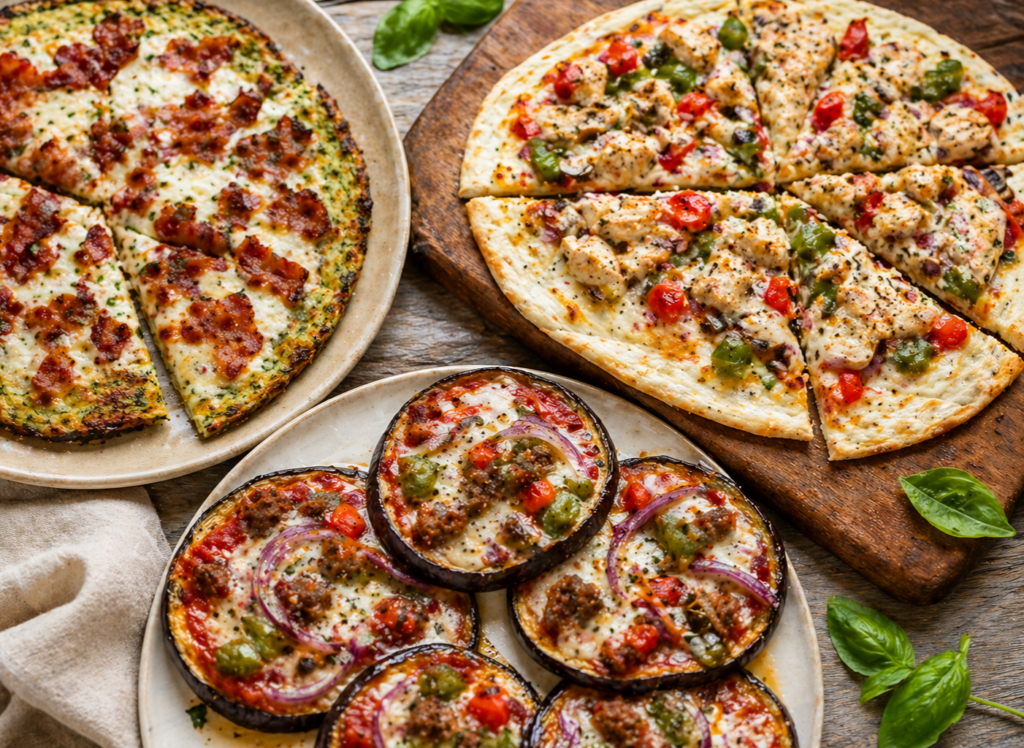
If you’re more sensitive to carbs or just want better control, these options work really well:
Homemade-style alternatives:
- Zucchini crust
- Eggplant slices as the base
- Egg white wraps like Egglife Egg White Wraps
- Ground meat crust (chicken or turkey, with a small amount of flour adjusted to your carb preference)
These tend to be:
- Higher in protein
- Lower in starch
- Much more stable for blood sugar
Bottom Line
This test is a good reminder that:
- “Healthy swaps” don’t always equal stable blood sugar
- Cauliflower crust doesn’t automatically prevent spikes
- Portion size and meal balance matter more than the label
The goal isn’t to find a “perfect” version of pizza.
It’s to build meals in a way that supports your body—while still enjoying the foods you love.
If you’re trying to keep your blood sugar more stable, start here:
– Focus on protein, fat, and fiber
– Keep higher-carb foods portion-controlled
– Think about the whole meal, not just one ingredient